The Park Picnic Myth: Why a Better View Is Not the Whole Plan
Plan a comfortable park picnic with practical choices for shade, seating, food, and a backup spot, so you can settle in without letting the view dictate the day.
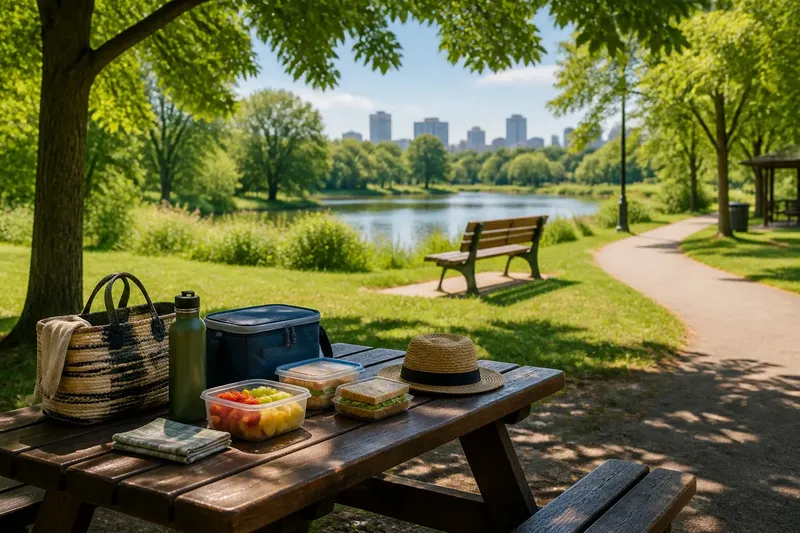
Park picnic planning gets easier when you choose a place to sit before choosing the view. A sunny lawn beside the water may look inviting, but damp ground, no shade, or nowhere to set down food can make lunch awkward. Start with the conditions that let you stay comfortable; treat the scenery as a bonus.
Think of a picnic spot like a kitchen counter: a pretty finish is nice, but you still need a stable place to work. Check the ground, shade, seating, and access to useful facilities before you unpack.
What should you look for in a park picnic spot?
Check whether the ground is reasonably level and dry, whether shade reaches the area, and whether there is enough room to sit without blocking a path. A bench or picnic table can make serving easier, especially if your food comes in containers.
Notice how close the spot is to a busy route, restrooms, and a water fountain. A quiet corner may suit a long conversation, but it is less convenient if carrying your bag there feels like a hike. Consider how the sun might shift while you sit; a patch of shade at arrival may not stay shaded.
You do not need a perfect location. Choose one whose drawbacks are manageable. If the best view has no seating, a nearby bench may be a better place to eat, with a short walk to the viewpoint afterward.
How can you prepare food and seating without overpacking?
Match the food and supplies to the way you plan to sit. Sandwiches, fruit, and bakery items travel neatly in firm containers. A pasta salad or other dish that needs a utensil calls for a stable surface and a way to keep the container upright.
Use a cooler bag for food that needs to stay cool, and follow the product’s instructions for handling it. Bring drinking water, napkins, and a reusable bag for rubbish. A flat-bottomed tote is easier to set down than a loose shoulder bag.
Pack a blanket or seat pad if you expect to sit on grass. Add a layer beneath it if the ground may be damp. Keep a hat, sunscreen, or light outer layer easy to reach if conditions call for them. Before leaving, check the park’s posted rules about blankets, food, and any restricted areas.
What should you check before you leave?
- Check the park map for entrances, benches, tables, restrooms, and water fountains; if facilities are close to your intended area, keep that spot in consideration, and if they are far away, choose a more convenient area or pack what you need.
- Check the ground for dampness or a slope when you arrive; if it is dry and level, use the blanket, and if it is wet or uneven, choose a bench or table instead.
- Check whether shade reaches the spot and seems likely to remain useful while you eat; if it does, settle there, and if it does not, move to a shaded area or shorten the outdoor meal.
- Check whether your food needs a stable surface or utensils; if it does, choose a table or bench and pack the needed utensils, and if it does not, a blanket may be enough.
- Check that drinks and containers close securely; if they do, pack them in the tote, and if they do not, transfer them to a sealable container or leave them behind.
- Check the forecast and the park’s posted rules before packing; if the conditions and rules suit your plan, go ahead, and if they do not, choose a permitted spot or reschedule.
How do you choose a backup picnic spot?
Pick an alternative before you arrive: a shaded bench, another picnic table, or a sheltered area elsewhere in the park. The backup should solve the problem most likely to interrupt your meal, such as exposed sun, damp ground, or a crowded path.
Say you are bringing two sandwiches, a container of fruit, water, napkins, and a blanket to a park pond. When you arrive, the open bank has no shade and its benches are occupied. Check the map, walk to a tree-lined path with an available bench, and keep the food in its closed containers until you sit. The result is a stable place to eat; the tradeoff is giving up the pond view during lunch. Afterward, you can walk back to the water without balancing the meal on the ground.
If a spot feels noisy, exposed, or cramped, move before unpacking. If the ground is damp, use a table or bench rather than spreading the blanket. A small change of location is often simpler than trying to make an uncomfortable place work.
Which park picnic questions should you settle first?
Is a picnic table better than a blanket?
A table gives you a stable surface for serving and can suit anyone who prefers not to sit on grass. A blanket offers more freedom to choose a spot, but it works best on dry, level ground.
What food travels well for a park picnic?
Choose food that stays contained and is easy to eat without much setup, such as sandwiches, fruit, or bakery items in a firm box. If a dish needs utensils or a larger serving area, plan for a nearby bench or table.
What can you do if the park has no shade?
Look for shade near a building, a covered area, or another part of the park with trees. If shade is essential for your group and none is available, choose another destination or plan a shorter visit.
Can you enjoy a picnic without a scenic view?
Yes. A comfortable seat and a quiet patch of green may make a more pleasant meal than a crowded viewpoint with no place to sit. Take a short walk to the view before or after eating.
How can you keep the outing easy to pack up?
Settle into the spot before opening food. Keep bags at the edge of the sitting area and put containers on a stable surface when one is available. This leaves room to sit and makes it easier to spot anything that needs to be packed away.
After eating, collect containers and food scraps, check the ground around your blanket, and take rubbish with you if the bins are full. Fold the blanket away from crumbs where practical. For park picnic planning, the useful final check is simple: bring only what your chosen seating and food require, and keep a comfortable alternative in mind.